
Performance management is a critical organizational function, encompassing a range of practices designed to monitor, evaluate, and enhance employee performance. At its core, performance management aims to align individual contributions with the strategic objectives of the organization, fostering an environment where employees can thrive and deliver their best work. Effective performance management not only drives organizational success but also significantly impacts the well-being and professional growth of the workforce.
Defining Performance Management
Performance management is a systematic process that involves setting performance expectations, monitoring progress, providing feedback, and facilitating continuous improvement. This process includes various components such as goal setting, performance appraisal, coaching, training, and development. The primary objective is to create a high-performance culture where employees are motivated to achieve excellence and are rewarded for their contributions.
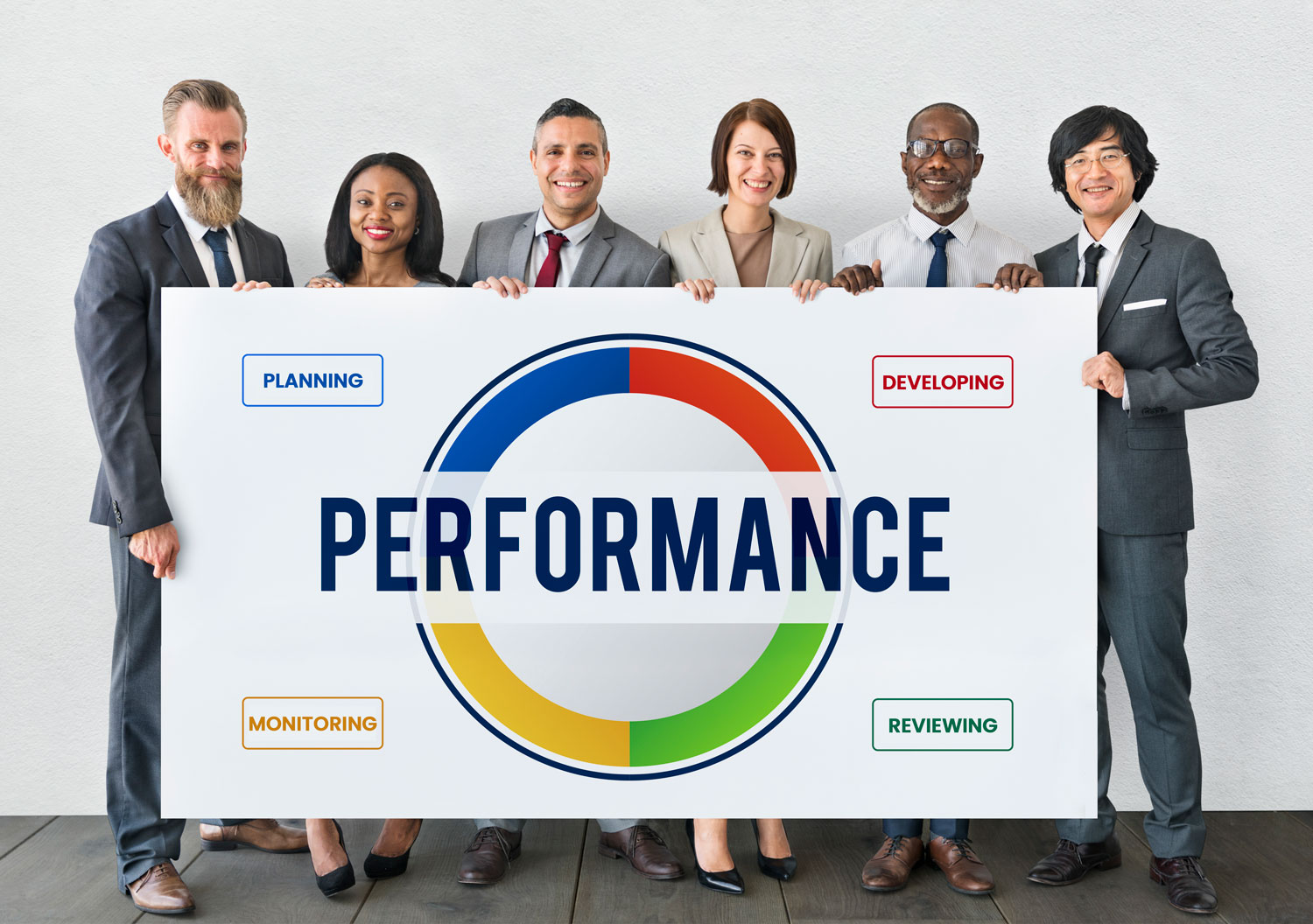
The performance management cycle typically includes the following stages:
- Planning: Establishing clear, measurable goals and defining performance standards.
- Monitoring: Regularly tracking performance against set objectives.
- Reviewing: Conducting formal performance evaluations and providing constructive feedback.
- Developing: Offering opportunities for skill enhancement and professional growth.

Impact on Organizational Health and Personnel
Effective performance management has far-reaching implications for both the organization and its employees. Here are some key impacts:
- Enhanced Organizational Performance: By aligning individual performance with organizational goals, performance management ensures that all employees are working towards common objectives, leading to improved efficiency and effectiveness.
- Employee Engagement and Motivation: Regular feedback and recognition help in keeping employees engaged and motivated. When employees understand how their work contributes to the organization’s success, they are more likely to be committed and enthusiastic.
- Skill Development and Career Growth: Performance management identifies skill gaps and provides training opportunities, facilitating continuous professional development and career advancement.
- Organizational Agility: A robust performance management system allows organizations to quickly adapt to changing market conditions by realigning goals and expectations.
- Workplace Culture: A transparent and fair performance management process fosters a culture of trust, accountability, and high performance.
Leading Thinkers in Performance Management
Several thought leaders have significantly contributed to the evolution of performance management practices. Here, we briefly discuss three influential figures: Peter Drucker, W. Edwards Deming, and Michael Armstrong.
- Peter Drucker: Often referred to as the father of modern management, Peter Drucker introduced the concept of Management by Objectives (MBO). This approach emphasizes setting clear, achievable objectives for employees and aligning these with the organization’s goals. Drucker’s philosophy is centered around mutual goal-setting and regular performance reviews.
- W. Edwards Deming: A pioneer in quality management, Deming’s work highlighted the importance of continuous improvement and systemic thinking. He advocated for performance management systems that focus on processes rather than solely on individual performance, promoting a culture of collaboration and continuous improvement.
- Michael Armstrong: An influential HR practitioner and author, Armstrong has extensively written about performance management. His approach integrates traditional appraisal systems with ongoing feedback mechanisms, emphasizing the importance of aligning performance management with overall HR strategies.
Comparative Analysis of Leading Thinkers
| Thinker | Strengths | Weaknesses |
| Peter Drucker | Clear goal alignment, encourages mutual objective setting, focuses on results. | Can be rigid, may overlook individual creativity and innovation. |
| W. Edwards Deming | Emphasis on continuous improvement, process optimization, and systemic thinking. | Can be complex to implement, may de-emphasize individual accountability. |
| Michael Armstrong | Comprehensive integration with HR practices, focus on ongoing feedback and development. | Potentially resource-intensive, requires strong HR infrastructure. |

The Future of Performance Management: Trends and Innovations
As organizations navigate the complexities of the modern business environment, performance management systems must evolve to meet new challenges and opportunities. Here are some emerging trends and innovations shaping the future of performance management:
- Continuous Performance Management: Traditional annual performance reviews are being replaced by continuous performance management systems. These systems involve regular check-ins, real-time feedback, and ongoing goal adjustments, fostering a more agile and responsive approach.
- Data-Driven Insights: Advances in technology have enabled the collection and analysis of vast amounts of performance-related data. Predictive analytics and AI-driven insights can identify patterns, forecast potential issues, and inform decision-making, enhancing the effectiveness of performance management practices.
- Employee Well-being and Mental Health: Recognizing the strong link between employee well-being and performance, organizations are increasingly integrating well-being initiatives into their performance management systems. This holistic approach ensures that employees are supported both professionally and personally.
- Personalized Development Plans: Tailoring development plans to the individual needs and career aspirations of employees is becoming a standard practice. Personalized learning and development opportunities not only enhance employee skills but also boost engagement and retention.
- Remote and Hybrid Work Environments: The rise of remote and hybrid work models necessitates new performance management strategies. Organizations are leveraging digital tools to ensure that performance management is effective regardless of physical location, focusing on outcomes rather than presence.
- Inclusive Performance Management: There is a growing emphasis on diversity, equity, and inclusion (DEI) within performance management systems. Organizations are working to eliminate biases and ensure that performance evaluations are fair and equitable for all employees.
- Gamification and Engagement Tools: To make performance management more engaging, some organizations are incorporating gamification elements such as rewards, leaderboards, and challenges. These tools can make performance tracking more interactive and motivating for employees.
Conclusion
Performance management is a vital organizational process that drives both individual and collective success. By setting clear goals, providing continuous feedback, and fostering development, effective performance management systems enhance organizational health and employee well-being. Thought leaders like Peter Drucker, W. Edwards Deming, and Michael Armstrong have laid the foundations for modern practices, each contributing unique perspectives and methodologies.
As we look to the future, performance management is poised for significant transformation. Continuous feedback, data-driven insights, and a focus on employee well-being are just some of the trends reshaping the landscape. By embracing these innovations, organizations can create dynamic, responsive, and inclusive performance management systems that support sustainable success in an ever-evolving business environment.


